✖

Updated:
August 21, 2026
Written By:
Liz Robson
Young people are more capable of supporting each other than we often give them credit for. The Wellbeing Ambassadors Programme is built on that belief. It gives students the structure, training and confidence to lead peer support in your school in a way that is safe, purposeful and genuinely effective.
This post looks at the eight core skills the programme develops, what they actually look like in day-to-day school life, and why developing these skills matters so much for personal development, character and wellbeing. This focus on personal development is also a key area of interest for Ofsted, making the programme a valuable asset for your school's inspection framework. Whether you are a pastoral leader, a Senior Mental Health Lead or part of your school's leadership team, this is designed to help you feel clear and confident about what is possible.
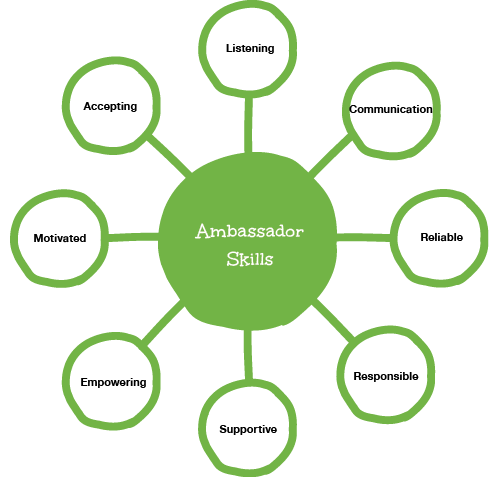
One of the things that makes the Wellbeing Ambassadors Programme so practical is that every skill it develops shows up in observable behaviour. These are not vague aspirations. They are things your staff can notice, recognise and build on during supervision sessions and day-to-day school life.
Here is what each skill looks like in practice and why it matters for your school.
Genuine listening is one of the most powerful things one person can offer another. For young people, it can be the difference between feeling alone and feeling supported.
A trained Wellbeing Ambassador gives a peer their full attention during a conversation. They wait for the other person to finish speaking, even during a pause. They ask follow-up questions that show they have really absorbed what was said. And they can summarise what a peer has shared without projecting their own assumptions onto it.
This kind of listening directly supports early wellbeing conversations before difficulties escalate. It also models the attentive, respectful communication that is central to healthy relationships and strong character. For schools, it demonstrates that your students are developing the interpersonal skills that underpin genuine inclusion and belonging.
How we say something matters as much as what we say. Wellbeing Ambassadors learn that real communication goes beyond words.
In practice, a trained Ambassador uses a calm, warm tone that fits the emotional needs of the conversation. They notice when a peer's words say one thing but their body language says another, and they respond to the feeling beneath the surface. They also develop real self-awareness, recognising when they themselves are not in the right headspace to support someone else.
This emotional literacy is a powerful part of personal development. It helps young people become more thoughtful communicators, better friends and more self-aware individuals. It is also the kind of skill that Ofsted and the Inclusive Mainstream Fund recognise as part of a school's commitment to supporting wellbeing and building an inclusive culture.
Trust is built through consistent action, and reliability is what makes peer support genuinely safe.
A reliable Ambassador turns up when they say they will. They follow through on small commitments, like checking in the next day. They keep what peers share with them in confidence. And they behave the same way whether or not a member of staff is watching.
Over time, this builds a reputation. Pupils seek them out because they know they can count on them. For many young people, especially those who do not have a trusted adult at home, that consistency matters enormously.
Developing reliability in your Ambassadors also builds character. It teaches young people what it means to be dependable and trustworthy, skills they will carry into every area of their lives.
A good peer supporter knows their limits. This is one of the most important things the programme teaches, and one of the things schools often feel most reassured by.
Trained Ambassadors understand clearly when a situation needs an adult. They do not try to manage disclosures of harm on their own. They know your school's safeguarding process and they follow it, even if a peer puts pressure on them to keep something private. When they are unsure, they ask.
This gives schools confidence that the programme is safe, structured and well-governed. It also builds real responsibility and integrity in the young people who take part, qualities that go far beyond the Ambassador role and support their development as thoughtful, accountable individuals.
As an added benefit, when Ambassadors handle early, low-level conversations well and refer on where needed, it frees up your pastoral team to focus their energy on pupils who need more targeted support.
Being supportive means meeting someone where they are, not rushing them towards where you think they should be.
A trained Ambassador acknowledges a peer's feelings before offering any kind of advice. They do not minimise what someone is experiencing or compare it to someone else's situation. They check in unprompted, not just when a peer comes to them. And they gently encourage peers to access wider support, rather than trying to be the only person someone relies on.
This approach builds the kind of early support culture that helps young people feel safe asking for help. It contributes to wellbeing by reducing the sense of isolation that can develop when difficulties go unspoken. And it models the empathy and compassion that are at the heart of strong character.
An empowering Ambassador builds confidence in others rather than doing things for them.
They ask questions that help peers think through their own situations: "What do you think you could do?" They step back when a peer has the capacity to act for themselves. They celebrate progress specifically and genuinely. And they model confidence in their own voice, which naturally encourages others to trust theirs.
This is a beautiful expression of pupil voice in action. When young people are given a real and active role in shaping the experience of their peers, it demonstrates something meaningful about your school's culture. It also develops personal development in both the Ambassadors and the peers they support, building confidence, agency and a sense of self-worth that can have a lasting positive impact.
A motivated Ambassador does not just hold a title. They take the role seriously, stay committed when things are busy, and talk about the programme with genuine enthusiasm.
That enthusiasm matters more than it might seem. When Ambassadors speak openly and positively about mental health and peer support, it shifts the culture. It signals to other young people that seeking support is something their peers value. It helps normalise conversations that might otherwise feel difficult or stigmatised.
For schools, motivated Ambassadors are a sign of genuine student leadership. They contribute to a positive school culture not because they have been told to, but because they care. That kind of authentic engagement is exactly what a meaningful wellbeing and inclusion strategy looks like from the inside.
This is perhaps the most fundamental quality of all. An accepting Ambassador meets every peer without judgement, regardless of background, identity, circumstances or choices.
They respond to disclosures of difficulty or difference without visible discomfort. They use inclusive language and gently challenge language around them that is dismissive or harmful. And importantly, pupils from a wide range of backgrounds feel comfortable approaching them, not just their closest friends.
This is inclusion in action. It actively supports pupils with protected characteristics and those who feel most marginalised in school life. It also builds the sense of belonging that is so closely linked to attendance, engagement and overall wellbeing. A young person who feels truly accepted at school is far more likely to show up, participate and thrive.
Taken together, these eight skills do not just make young people better at peer support. They shape character, strengthen wellbeing and build the kind of school community where every pupil feels they matter.
The skills developed through the Wellbeing Ambassadors Programme map directly onto the personal development priorities in the Ofsted Education Inspection Framework and the themes of the Inclusive Mainstream Fund, including safe and respectful culture, early evidence-based support, pupil voice and provision that supports belonging and personal growth. Schools working on their inclusion strategy will find that a well-run Wellbeing Ambassadors Programme provides practical, evidenceable outcomes across multiple priority areas at once.
More importantly, the young people who take part will feel the benefit of these skills in their daily lives, not just in their role as Ambassadors.
If you want to find out more about how the Wellbeing Ambassadors Programme works and how it could support your school's wellbeing and inclusion strategy, there are two great ways to get started.
Join our free Wellbeing Ambassadors webinar for a clear overview of the programme, how it works in practice and how it connects to the priorities your school is already working towards.
Or, if you are ready to take the next step, join the Wellbeing Ambassadors Programme and get everything you need to train your own student Ambassadors, including an online course for staff, a full workshop delivery toolkit, and half-termly drop-in support calls with programme founder Liz Robson.
Join the Wellbeing Ambassadors Programme
Your students have so much to offer each other. The programme gives them the skills and structure to do it well.


LAST UPDATED:
October 21, 2026
Close the pastoral support training gap for your school staff with accredited coaching training for educators.

LAST UPDATED:
October 14, 2026
Discover how coaching builds SENCO capacity for early intervention and staff development, and how accredited coach training can help.


.svg)


