✖

Updated:
September 14, 2026
Written By:
Liz Robson
School leaders face constant pressure to improve attendance, raise attainment, and support student mental health. You know that true inclusion goes far beyond policy documents. It requires a whole-school culture where every child feels safe, supported, and ready to learn.
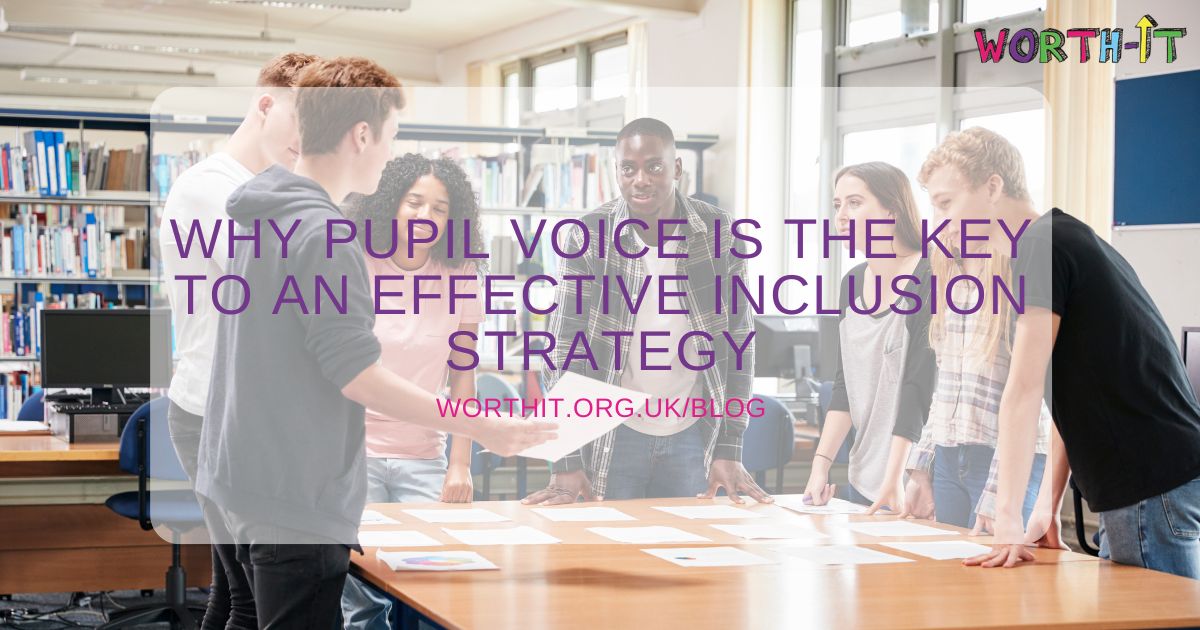
The most powerful tool for building this culture often sits right in your classrooms: the pupils themselves. Listening to pupil voice is a core driver for strategic change. When you empower young people to share their experiences, you unlock the insights needed to make your inclusion strategy a success.
To lead effective change in your school, you must understand the real barriers your students face. When you give young people a platform, they offer unique insights into what stops them from engaging with school life. They can tell you why certain spaces feel overwhelming or where anxiety spikes during the day.
Involving students in these decisions creates strong buy-in. When pupils help shape the solutions, they feel valued and become active partners in improving the school environment. This collaborative approach ensures that your strategies address the actual needs of your cohort, rather than what adults assume those needs might be.
A strong sense of belonging is a known protective factor for mental health. When students feel heard, their connection to the school grows. Inclusive environments rely on positive relationships between staff and students, as well as among the students themselves.
Empowering young people to share their views builds trust. It shows them that their lived experiences matter. This shared respect naturally reduces isolation, tackles the root causes of school absence, and fosters a safe, respectful culture where everyone can thrive.
The Inclusive Mainstream Fund in England offers schools a clear path to improve support and transform school culture. The fund requires schools to move towards practices that are inclusive by design. Spending must support whole-school inclusion strategies, universal inclusive practice, and targeted evidence-based support for those who need it most.
To meet these goals, the Department for Education outlines seven core priorities for the funding:
Pupil voice helps you spend this funding wisely. Rather than guessing which interventions will work, you can use student feedback to shape your inclusion strategy.
When leaders listen to pupils, they can direct resources toward the exact barriers to learning that students experience daily. This makes your funding decisions highly strategic and evidence-informed. It gives your senior leadership clear data to justify spending, so your universal and targeted support directly meets the needs of your current cohort.
How can you turn student feedback into concrete action? Here are a few practical ways to embed pupil voice into your inclusion strategy:
Building an inclusive school takes time, but you do not have to navigate it alone. By placing pupil voice at the centre of your plans, you create a supportive, connected community where positive relationships thrive.
We specialise in helping schools build evidence-based peer support and wellbeing programmes that empower young people.
The Wellbeing Ambassadors programme offers a practical, impactful solution to empower pupil voice and foster a culture of belonging within your school. By training students to take on leadership roles in mental health and wellbeing initiatives, this program builds a sense of ownership and connection that resonates across the whole school community.
Grounded in evidence-based frameworks, the Wellbeing Ambassadors program equips students with the skills and confidence to support their peers, promote resilience, and model positive relationships. This peer-led approach not only addresses the immediate needs of the student body but also helps cultivate a sustainable wellbeing culture. It amplifies student perspectives, ensuring that their voices contribute to shaping policies and practices that prioritize inclusion and mental health.
With the Wellbeing Ambassadors programme, schools can create a vibrant, supportive environment where every student feels valued, heard, and empowered to thrive.
To learn more about how the Wellbeing Ambassadors program can enhance school belonging, personal development, and wellbeing, download our Wellbeing Ambassadors Peer Support Info Pack or access our engaging webinar. These resources are designed to provide you with actionable insights and practical steps to implement a peer-led wellbeing initiative in your school. Download the Free Peer Support Info Pack or access the webinar today and take the next step toward fostering a positive and supportive, inclusive school culture!



LAST UPDATED:
October 1, 2026
Discover what the research says about why pupils struggle to feel they belong at school, from weak staff relationships and peer exclusion to

LAST UPDATED:
September 16, 2026
How peer support builds wellbeing, inclusion and belonging in primary schools, meets Ofsted's inclusive personal development criteria.


.svg)


