✖

Updated:
February 23, 2026
Written By:
Liz Robson
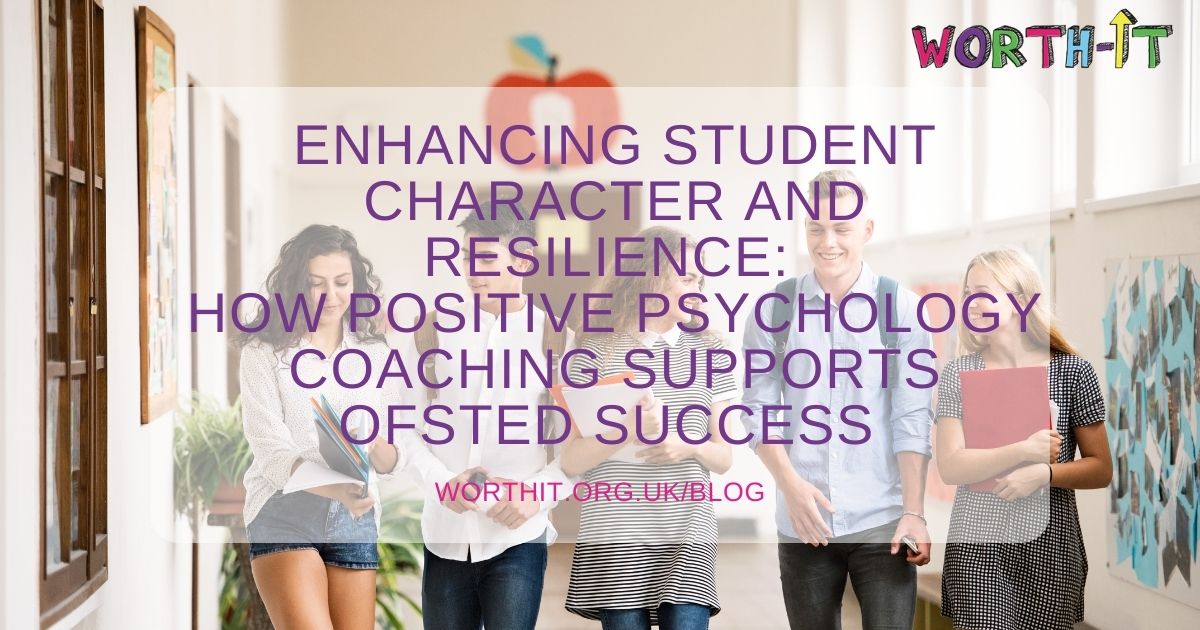
In the busy landscape of school leadership, finding interventions that tick every box—mental health, behaviour, academic attainment, and inspection criteria—can feel like searching for a needle in a haystack. Yet, for many school leaders, Senior Mental Health Leads and pastoral staff, the answer lies in a strategy that shifts the focus from "fixing problems" to "building capabilities": Positive Psychology Coaching.
This isn't just about having a chat with students. It is a rigorous, evidence-based approach that equips young people with the psychological tools they need to navigate life inside and outside the school gates.
Here, we explore what Positive Psychology Coaching actually entails, how it fosters essential character strengths, and why it is a powerful vehicle for meeting Ofsted’s requirements for Personal Development.
Positive Psychology Coaching is where the science of wellbeing meets the art of coaching.
Traditional coaching often focuses on performance—getting from point A to point B. Therapy often focuses on healing—moving from a state of distress to a baseline of health. Positive Psychology Coaching sits in a unique space. It integrates the evidence-base of Positive Psychology (the study of strengths and flourishing) with Coaching Psychology (the facilitation of learning and development).
Instead of asking, "What is wrong with you?", a Positive Psychology Coach asks, "What is right with you, and how can we use that to help you grow?"
For a student struggling with attendance or anxiety, this shift is transformative. It moves the conversation away from their deficits and towards their internal resources. It builds self-efficacy, helping them realise they have the agency to change their own narrative.
The spiritual, moral, social, and cultural (SMSC) development of pupils is a core requirement for schools, yet it can be difficult to evidence tangibly. Positive Psychology Coaching is a natural driver for SMSC.
For school leaders, aligning pastoral support with the Education Inspection Framework (EIF) is critical. Positive Psychology Coaching directly supports several key judgement areas under Personal Development, Wellbeing and Inclusion:
Ofsted inspectors look for evidence that schools are "developing pupils’ character so that they reflect wisely, learn eagerly, behave with integrity and cooperate consistently well with others."
Coaching is, by definition, a process of reflection and character building. A structured coaching programme provides robust evidence that the school is actively teaching these traits, rather than just hoping they develop by osmosis.
The EIF requires schools to develop "pupils’ confidence, resilience and knowledge so that they can keep themselves mentally healthy."
Positive Psychology Coaching is a preventative measure. It gives students the cognitive strategies to manage their own mental health. It is not just support; it is education.
Inspectors evaluate whether "all pupils can thrive together." This is particularly pertinent for disadvantaged pupils or those with SEND.
Coaching is highly inclusive because it is personalised. A coaching session adapts to the individual needs of the child, ensuring that every student, regardless of their background or barriers to learning, has access to high-quality personal development. It validates their unique experience and empowers them to overcome specific hurdles, such as Emotionally Based School Avoidance (EBSA) or exam anxiety.
At the heart of Positive Psychology Coaching is the development of Character Strengths. These are the positive parts of our personality that impact how we think, feel, and behave. When students know their strengths—whether it’s bravery, curiosity, kindness, or perseverance—they have a toolkit for resilience.
Research shows that when young people identify and use their signature strengths, they experience lower levels of stress and higher levels of self-esteem (Park & Peterson, 2009).
Character strengths are essential for driving both academic success and personal growth. Research shows these traits can be explicitly taught in schools; when integrated into the curriculum or targeted through interventions like coaching, they allow students to sharpen their natural abilities while building vital social skills. One of the most effective frameworks for this is the VIA Classification of Strengths, which identifies 24 universal character strengths that serve as a common language for development.
This intentional focus on character strengths helps create a more engaging and supportive educational environment. Furthermore, incorporating character strengths within the curriculum has been linked to increased enjoyment, hope, engagement, and academic confidence in students, creating a strong foundation for both personal and academic growth (Waters, 2011). By embedding these elements of character development into coaching programmes and learning inside and outside the classroom, educators can empower students to cultivate resilience, purpose, and satisfaction in their academic progress.
The VIA Character Strengths are a scientifically grounded classification of 24 character strengths that are universally valued across cultures, religions, and philosophies (Peterson & Seligman, 2004). These strengths are grouped into six broad categories, known as virtues, which include wisdom, courage, humanity, justice, temperance, and transcendence. Each strength, such as creativity, teamwork, or gratitude, represents a core aspect of human behaviour that contributes to personal development and wellbeing.

When applied in a school setting, the VIA Character Strengths can be a powerful tool for coaching young people to excel academically and personally. Research suggests that focusing on character strengths helps foster self-awareness, resilience, and goal achievement among young people (Park & Peterson, 2009). By helping students identify and cultivate their strengths, educators and pastoral staff can foster self-awareness and a sense of purpose. For instance, recognising perseverance or self-regulation can motivate students to set and achieve academic goals, while strengths like kindness or leadership can enhance their ability to work effectively in teams and build healthy relationships.
Coaching young people using VIA strengths involves creating opportunities for them to reflect on and use these strengths in practical ways. This could include setting personalised goals aligned with their strengths, role-playing scenarios to develop interpersonal skills, or embedding these strengths into classroom activities. Studies have shown that incorporating strengths-based approaches in education improves both academic outcomes and well-being (Shankland & Rosset, 2017). By focusing on what students excel at, this strengths-based approach empowers them to overcome challenges, build resilience, and ultimately improve both their academic performance and overall wellbeing.
Resilience isn't just "bouncing back"; it's about "bouncing forward" with new learning. Through coaching, students learn to view setbacks not as failures, but as feedback. A coaching conversation helps a student deconstruct a difficult situation, identify which strengths they used to survive it, and plan how to apply those strengths next time. This process turns abstract concepts like "resilience" into concrete, repeatable behaviours.
Character strengths serve as a vital pathway to building resilience in young people by providing them with a toolkit of inner resources to cope with challenges. These strengths, such as perseverance, optimism, and self-regulation, help students face adversity with confidence and adaptability. By focusing on a young person's unique strengths, schools can guide them towards a better understanding of themselves and their capabilities, enabling them to thrive even in challenging circumstances.
Character strengths coaching is a powerful tool for nurturing key personal attributes in young people, enabling them to develop resilience, self-awareness, and confidence. By focusing on identifying and leveraging their innate strengths, students are encouraged to recognize their own potential and adopt a positive mindset toward challenges. This approach aligns with evidence-based frameworks, such as Waters and Loton’s (2019) SEARCH framework, which emphasize wellbeing and personal growth.
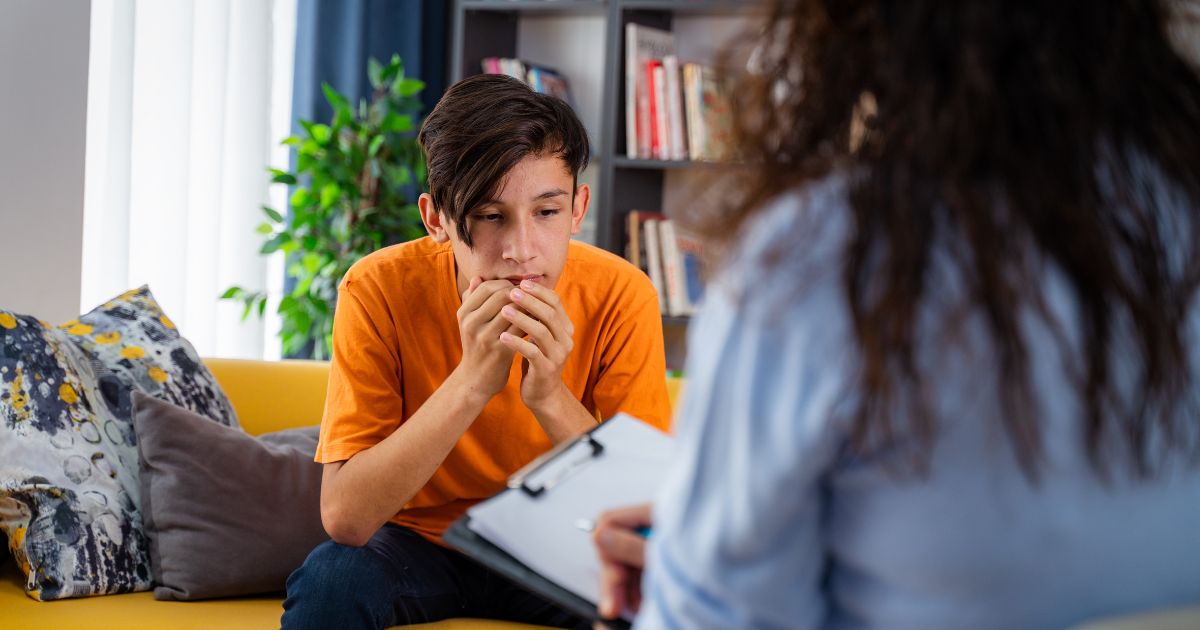
The character strengths coaching process begins with identifying the individual’s core strengths. This is often achieved through structured tools or guided conversations, allowing young people to reflect on what they naturally do well and feel energized by. Once identified, these strengths become the foundation for setting goals and problem-solving strategies. For example, a student struggling with social confidence might discover they possess kindness and creativity as core strengths, which could be harnessed to build relationships and approach social situations innovatively.
The coach then works collaboratively with the young person, creating personalised action plans tailored to their specific needs, challenges, and aspirations. Sessions are dynamic and iterative, integrating constructive feedback while celebrating small wins to build momentum. This process not only supports immediate goal achievement but also instills long-term character-building habits of resilience and self-motivation.
By focusing on what is “right” rather than what is “wrong” in a student, character strengths coaching fosters a deep sense of belonging and empowerment. It equips young people with the tools to address challenges such as attendance barriers, peer relationships, and academic pressures, ultimately contributing to their overall wellbeing and success.
The ultimate goal of education is to prepare young people for life. The academic curriculum gets them the qualifications, but it is their character that will determine their success in relationships, their career, and their community.
Employers consistently report that they hire for attitude and train for skills. They are looking for resilience, adaptability, and the ability to work well with others—precisely the outcomes that Positive Psychology Coaching delivers. By embedding this approach in your school, you are not just improving your school data; you are equipping your students with the life skills to flourish in an unpredictable world.
Are you ready to move beyond reactive support and start building a culture of resilience and character?
We can support you to develop the skills to run your own coaching-based interventions.
References



LAST UPDATED:
September 14, 2026
Discover how inclusion bases can train staff to coach students boost capacity, and enhance targeted student in their school.
LAST UPDATED:
September 14, 2026
Teen life coaching and adolescent wellbeing coaching aren't the same. Here's the difference, and why it matters for targeted school support.


.svg)


