✖

Updated:
July 9, 2026
Written By:
Liz Robson
Meeting the broad and demanding requirements of the Ofsted Education Inspection Framework (EIF) is a significant challenge for any school, whether in the state or independent sector. For dedicated educators like Lisa Griffiths, Deputy Head Pastoral and DSL at Stafford Grammar School, the pressure to effectively support student wellbeing while managing daily academic demands was mounting.
Feeling overwhelmed by the mounting pressures to meet Ofsted's requirements? You're not alone. Lisa's journey demonstrates how investing in the right training can provide a clear path forward.
By enrolling in our Worth-it Coach Training programme, Lisa discovered a transformative approach. She acquired practical coaching tools that enhanced her professional practice and, more importantly, directly empowered her students to build resilience, develop character, and overcome learning barriers.
Although Lisa works in an independent school, her story offers invaluable insights and reassurance for all school leaders. It shows that training in coaching can be a worthwhile investment, helping you lead effective wellbeing and inclusion strategies that align with Ofsted's framework, both through direct student support and as a school ethos.
All the quotes provided are by Lisa herself, who attended our Worth-it Coach Training course in Summer 2025.
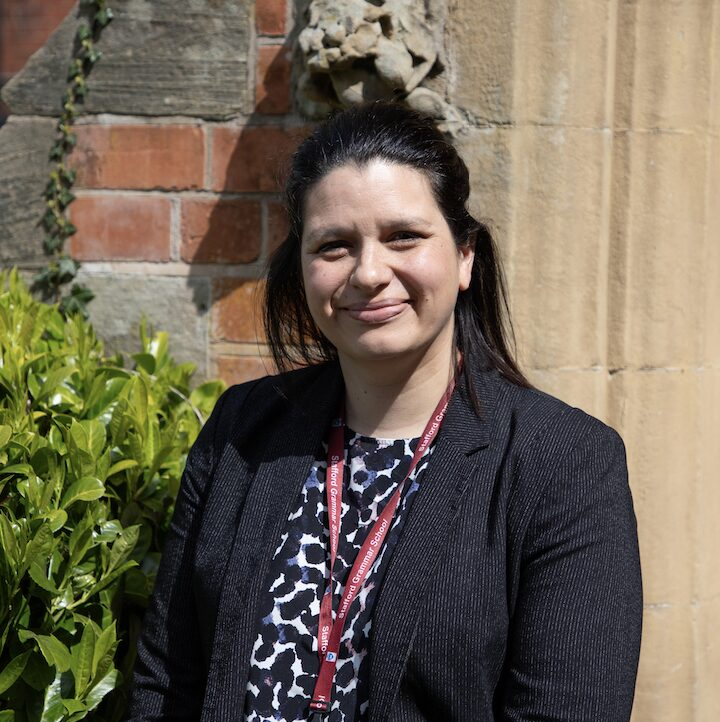
Before starting her training, Lisa faced a challenge that many school leaders will recognise. She saw a growing number of students grappling with anxiety, low self-belief, and a general lack of direction. While her passion to help was strong, she felt unequipped with a structured, evidence-based framework to truly empower her students and foster their independence.
"While I previously utilised coaching elements in my work, I often felt I lacked the necessary roadmap to ensure consistent results. The combination of incredible, high-impact in-person sessions and a robust library of resources has bridged that gap, providing me with the confidence and clarity to facilitate sessions that are both purposeful and empowering.
I often felt I was "feeling my way" through complex emotional landscapes; now, I operate with the quiet confidence that the techniques I am utilising are evidence-based and proven to be successful. This shift from intuition to intentionality has fundamentally strengthened the safety net I provide for my students"
This situation is a common pressure point for schools, especially in light of Ofsted's focus on personal development. The expectation is clear: schools must demonstrate how they are proactively developing students' confidence, resilience, and knowledge to maintain their mental health.
Like many others in her position, Lisa knew she needed to shift from simply providing reactive pastoral care to implementing a proactive, empowering support system that would deliver tangible results.
To build her capacity, Lisa joined our accredited Youth Coach Training course. The blended learning programme provided her with the theoretical foundation of positive psychology and the practical personal development coaching tools needed to facilitate meaningful change.
Through live workshops, online modules, and peer supervision, Lisa learned how to step back and guide students to find their own solutions. She gained access to over 40 downloadable coaching tools, including strength-based activities and goal-setting worksheets, which she immediately began integrating into her daily practice.
Lisa’s professional growth has had a direct, measurable impact on her students, perfectly aligning with key Ofsted EIF requirements:
Ofsted requires schools to promote wider personal development, ensuring students can reflect wisely and learn to manage their mental health. By using positive psychology coaching, Lisa has shifted her conversations from simply solving problems for her students to empowering them to build their own coping strategies.
"Since completing the training, my coaching approach has undergone a transformative shift from an intuitive, informal style to one grounded in professional structure and theoretical understanding.
I have successfully implemented these new tools and strategies with pupils across the entire 11–18 age range, and the impact has been brilliant. By using specific coaching frameworks and questioning techniques from the course, I’ve seen students develop greater autonomy and resilience. This structured approach ensures that every session has a clear direction, allowing pupils to move from reflection to actionable steps more effectively than ever before."
I have successfully implemented these new tools and strategies with pupils across the entire 11–18 age range, and the impact has been brilliant
Inspectors closely evaluate how schools reduce barriers for disadvantaged students and those who find learning hardest. Lisa used her new coaching skills to help students identify their personal obstacles and set achievable action plans.
"I have watched pupils who previously struggled with self-regulation become significantly more aware of their actions and the impact they have on their environment. This newfound sense of responsibility has led to a noticeable reduction in anxiety and a corresponding surge in self-esteem. As they realise they have the agency to navigate their own challenges, their confidence grows, which has a "ripple effect" on their overall well-being.
Furthermore, these shifts have translated into better social and academic outcomes. I have seen students making much more considered, positive friendship choices and demonstrating a renewed motivation toward their studies. By providing them with the space to reflect and the tools to set their own goals, the coaching approach has helped them unlock a level of intrinsic motivation that was previously untapped. It is incredibly rewarding to see these young people not only improve their day-to-day school experience but also build the foundational life skills they need for the future."
These shifts have translated into better social and academic outcomes.
This targeted support led to improved engagement and a stronger sense of belonging among her cohort and has resulted in better academic outcomes.
A core component of the EIF is ensuring students are prepared for the next phase of their education or employment. Lisa’s coaching sessions focused heavily on goal-setting and future aspirations, empowering students to take ownership of their development. By shifting from a directive approach to one that fosters resilience, she helped pupils tap into their own internal resources rather than depending on adult intervention. This not only improved her ability to support student wellbeing more sustainably and effectively but also equipped her to address psychological barriers through purposeful, structured dialogue.
"Every single pupil I have engaged with using these new tools and coaching frameworks has benefited in tangible, measurable ways. By moving away from a purely directive approach and using the structured techniques from the course, I have empowered students to take true ownership of their own development and decision-making processes."
Lisa shared how a coaching approach works in practice to support pupils in developing resilience and skills for adult life.
"One of the most liberating and impactful lessons I have learned is that I do not need to have all the answers. By letting go of the pressure to "fix" every situation, I have become a much more effective listener and a more empathetic presence. This has transformed my communication style; instead of offering immediate solutions, I use the course’s frameworks to help young people navigate their own challenges. This approach directly fosters resilience, as it encourages pupils to tap into their own internal resources rather than becoming dependent on adult intervention.
Consequently, my ability to support student wellbeing has become more sustainable and effective. I am more aware of the specific psychological barriers to resilience and feel far better equipped to address them through purposeful, structured dialogue. This newfound confidence allows me to hold a safe, calm space for students, empowering them to build the self-efficacy they need to thrive both in and out of the classroom."
For other school leaders, this demonstrates that coaching provides a clear framework for building the self-efficacy young people need to thrive both in and out of the classroom, preparing them for the challenges of adult life.
Effective leadership and a positive school culture are essential for creating an environment where both students and staff can thrive. The coaching training equips participants with skills to foster open communication, build trust, and empower others within their schools. By applying positive psychology principles, coaches can influence a culture of resilience, collaboration, and well-being, driving meaningful change.
Since completing the Worth-it Coach training course, Lisa's approach has now spread beyond targeted support, helping to develop a whole-school culture where students and staff alike are encouraged to take leadership in their own wellbeing and personal growth.
"Beyond my individual practice, the course has enabled me to become a champion for coaching within my school. The confidence I gained has empowered me to develop and lead my own sessions for staff, aiming to instil a genuine coaching culture across the entire body. I am no longer just applying these techniques in isolation; I am actively sharing strategies to ensure that the benefits of this training are felt by staff and students alike throughout the school."
The Coach Training course also played a crucial role in Lisa's leadership journey, empowering her to integrate coaching as a fundamental part of her pastoral leadership approach.
"The timing of this course has been pivotal, acting as a powerful catalyst for my transition into the role of Deputy Head Pastoral. While I stepped into the position with a clear vision, this training provided the professional rigour and evidence-based frameworks necessary to turn that vision into a reality. It has fundamentally shifted my leadership identity; I now lead through a coaching lens, which has significantly enhanced my ability to navigate complex pastoral challenges and support my team with greater emotional intelligence and strategic clarity.
The most rewarding aspect of this development has been the organic professional recognition I have received from my colleagues. My passion for the coaching approach has been contagious, motivating staff members to adopt these techniques in their own interactions with pupils. This shift has not only validated my expertise but has also positioned me as a lead practitioner within the school. Seeing the staff body embrace these methods because they have observed their efficacy in my own practice has been a major milestone in my professional journey."
Embedding a coaching culture enhances relationships between staff and students, reinforces shared goals, and nurtures a community that prioritises growth and learning.
We want to extend our heartfelt thanks to Lisa for her in-depth evaluation and for so wholeheartedly embracing our coaching approach and the sustainable impact this will have on her whole school community.
Lisa's story is a powerful example of how one person can spark a wave of positive change in their school. By embracing coaching, she has not only enhanced her own practice but also inspired her colleagues, helping to embed a sustainable culture of wellbeing throughout her school.
If Lisa's journey has inspired you, know that you, too, can lead a similar transformation. You have the potential to become a catalyst for growth and positivity in your educational setting.
Ready to take the next step? Join our growing community of educators dedicated to making a difference. Apply for our accredited Coach Training course today. Or, if you'd like to explore the basics first, sign up for our Free Introduction to Coaching Young People course and discover how you can begin transforming your practice.


.jpg)

LAST UPDATED:
October 12, 2026
Get your questions answered and find out more about our Worth-it Coach Training Course by reading this in-depth article

LAST UPDATED:
October 12, 2026
This article explored just three ways positive psychology coaching can help young people develop mental wellbeing


.svg)


