✖

Updated:
March 11, 2026
Written By:
Liz Robson
Supporting young people through targeted coaching interventions is essential for their personal development, wellbeing, future success and ability to flourish in life.
This report outlines the specific needs young people bring to coaching, how these interventions help them on an individual basis, and the measurable impact of this support.
It draws on extensive data* collected from our coaching sessions, providing a clear and evidence-based overview of the challenges young people face and the transformative power of targeted coaching. Finally, we explore how you can build capacity within your own setting to deliver these life-changing results.
This report isn't perfect (collecting data from young people can be a challenge!) but it provides helpful insights into what coaching can offer to young people as a targeted early intervention.
To ensure our findings were robust and insightful, this report was based on a comprehensive analysis of data collected from over 60 young people who participated in hundreds of coaching sessions and different coaching programmes between 2014 and 2017.
Coaching programmes included
Here’s a look at our methodology:
This data-driven approach allowed us to identify clear patterns and measure the tangible impact of our coaching interventions, ensuring the information you find here is both reliable and inspiring.
Young people who accessed coaching presented with a wide variety of emotional and behavioural challenges. When we assessed the initial needs of these individuals, several core themes emerged:
I trust professionals more, teachers and my closest friends and got rid of the bad ones.
Coaching empowers young people to take control of their thoughts, feelings, and behaviours. On an individual level, the process provides them with a safe space and a supportive, trusted adult, to develop practical, positive coping strategies while developing resilience and wellbeing.
Through targeted coaching, young people learn to challenge unhelpful, automatic negative thoughts and replace them with constructive alternatives. We see them develop techniques to manage their anger and think carefully before acting or lashing out at others. The sessions help individuals understand how their reactions affect those around them, which improves their communication skills and helps them build trust with teachers, friends, and family.
Rather than simply dwelling on problems, coaching focuses on recognising personal strengths. Young people learn distraction techniques, relaxation methods, and breathing exercises. They discover how to be kind to themselves, calm down during moments of high stress, and ultimately pull themselves together when facing adversity.
"I learned different coping strategies like planning, lists, noticing things, how to communicate my feelings, visualising things, how to set goals, how to motivate myself"
"Learnt more about my feelings, learnt to be myself. Put myself in the other persons shoes. Talking about my feelings, remember positive things."
The effectiveness of coaching young people was evident across both statistical measures and personal feedback. By combining positive psychology with practical tools, we saw remarkable transformations.
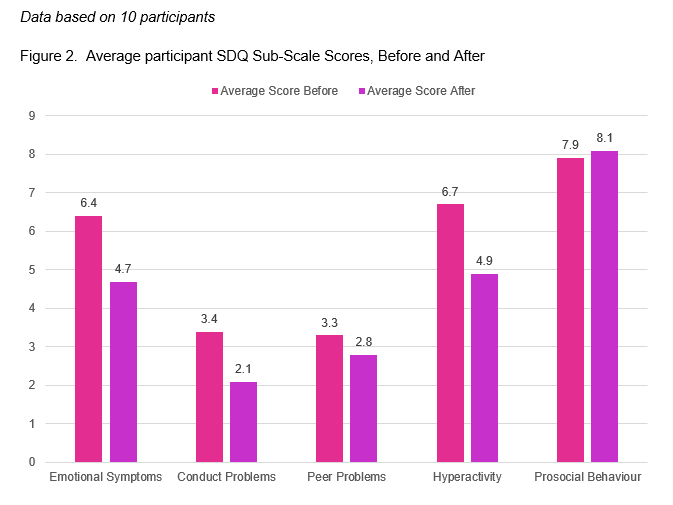
Don't feel as scared to come to school, know that I have people to help
To wake up in the mornings, get to school on time, to stay at school.
I like myself a lot more. I am more confident, it has made me enjoy school.
These themes provide a comprehensive snapshot of the key areas where coaching has positively impacted young people, highlighting its role in fostering resilience, wellbeing, and personal growth.
Coaching supported young people in gaining a deeper understanding of their emotions, behaviours, and personal strengths. Participants reported learning how to reflect on their thoughts, recognise positive traits, and understand how their reactions influence their daily experiences and relationships.
Young people developed effective strategies to manage anxiety, anger, and negative thinking. Techniques included positive thinking approaches, relaxation, distraction activities, and reflective practices such as writing down positives or identifying helpful thoughts.
Participants described a notable increase in their confidence, particularly when it came to expressing their opinions, communicating feelings, and believing in their abilities. Many reported feeling happier, thinking more positively about themselves, and identifying their strengths.
Coaching provided an opportunity for young people to strengthen relationships by improving communication and trust with peers, family members, teachers, and other professionals. They highlighted building healthier friendships, feeling safe to share their feelings, and identifying supportive individuals in their lives.
Students reported notable improvements in school attendance, motivation, and their overall engagement in learning. The coaching process helped reduce school-related anxieties and fostered a stronger belief in their ability to succeed academically.
Participants shared that they felt calmer, happier, and more in control of their lives as a result of the coaching sessions. Additionally, they reported greater openness to seeking support when needed, whether from trusted adults or external services.
Through practical strategies and meaningful support, coaching is helping to lay a foundation for long-term success in both personal and educational contexts.
Positive psychology coaching clearly transforms young lives. While you can work with external agencies that provide coaching for young people, this can end up being expensive and difficult to arrange the logistics.
We recommend building internal capacity across your organisation and truly supporting young people, you need to increase your capacity to offer more coaching interventions directly.
We recommend training your staff to become accredited youth coaches. This provides exceptional professional development and ensures you have a sustainable, in-house team ready to empower young people when they need it most.
Our accredited Coach Training course provides the knowledge, skills, and tools to positively impact youth outcomes. With flexible learning and ongoing support, you'll learn to integrate positive psychology techniques into your practice.
We understand that the data in this report isn't perfect, nor is it from a peer-reviewed journal article. It is a quick and simple summary small cohorts of several coaching programmes we ran in the community between 2014 and 2017. Some of the data is patchy, as not every young person completed the pre or post-evaluations. We also changed and evolved our evaluation processes during this time, and in some cases, the scores went down, which can be due to a range of reasons. Despite all that, we know coaching helps young people—they tell us time and time again and show us through their behaviour and changes to their demeanour, which you can see with your own eyes.
You may be wondering how coaching supports young people experiencing mental health problems. We see coaching as a versatile tool that can be used in several ways:
While coaching is not a clinical therapy, it effectively increases a young person's coping strategies and promotes wellbeing. Many of the individuals we've coached were either waiting for or had already accessed clinical mental health services. Our approach provides valuable support during these transitional periods.
With the demand for youth mental health services growing, there simply isn't enough support available. We believe coaching offers a proactive and protective intervention that fills a crucial gap, helping young people build the resilience they need to thrive.
Through our Worth-it Coach Training course, we equip educators with the skills to effectively support young people in building resilience and achieving their full potential. Our program is accredited by leading bodies such as ACCPH and the Association for Coaching, giving you recognised certification and adding credibility to your professional profile. Learn more by downloading our Coach Training prospectus.
If you are interested in find out more about how coaching can help the young people you work with access our Free Introduction to Coaching Young People course


.jpg)
LAST UPDATED:
October 21, 2026
Close the pastoral support training gap for your school staff with accredited coaching training for educators.

LAST UPDATED:
October 16, 2026
Discover why accreditation, ethics, safeguarding and supervision matter for youth life coaches, and the accredited route to get there.


.svg)


