✖

Updated:
May 27, 2026
The School Resilience Programme, which ran between December 2016 to November 2017 provided a structured, whole-school framework to embed resilience and wellbeing throughout the entire school community. Through close partnerships and a tailored approach, we guided schools on a transformative journey toward creating a sustainable culture of positive mental health.
The Leicester and Leicestershire Future in Mind Transformational plan, as agreed by NHS England in 2015, aspired to prevent mental illness from developing and to build emotional health and resilience in the children and young people of Leicester and Leicestershire. The plan promised to promote and protect children and young people’s mental health and wellbeing and, through working with schools, to raise awareness of mental health issues and develop resilience. The programme was funded by West Leicestershire Clinical Commissioning Group, East Leicestershire & Rutland Clinical Commissioning Group, and Leicester City Clinical Commissioning Group, who commissioned Worth-It, in partnership with Leicestershire NHS Partnership Trust (LPT) and the School Development Support Agency (SDSA), to deliver a Promoting Resilience Programme. This programme was modelled on the 8 principles of the ‘Promoting children and young people’s emotional health and wellbeing, a whole school and college approach' for 10 schools from Leicester City and 10 from Leicestershire County.
The School Resilience Programme provided analysis, recommendations, monitoring and evaluation, coaching support, and Train the Trainer Resilience Toolkit training. Alongside these key elements was the development of a Resilience Champion Network, a reducing stigma campaign, and ongoing support and CPD to ensure the School Resilience Programme was sustainable within local schools.
Our journey with each school began with laying a solid foundation for success. This process was designed to be collaborative and empowering from the very start.
A key part of the programme was empowering all staff and students with the knowledge and tools to thrive.
.png)
To measure the impact of the School Resilience Programme, we used several methods. We conducted surveys on resilience indicators at both the beginning and end of the programme to track progress. Each part of the programme, such as the 4-day Resilience Champion training, was individually monitored for quality and effectiveness. We also collected detailed feedback through qualitative evaluations, pupil voice, both qualitative and quantitative to understand the programme's impact from the participants' perspective.
The programme was designed to create visible and sustainable improvements in wellbeing.
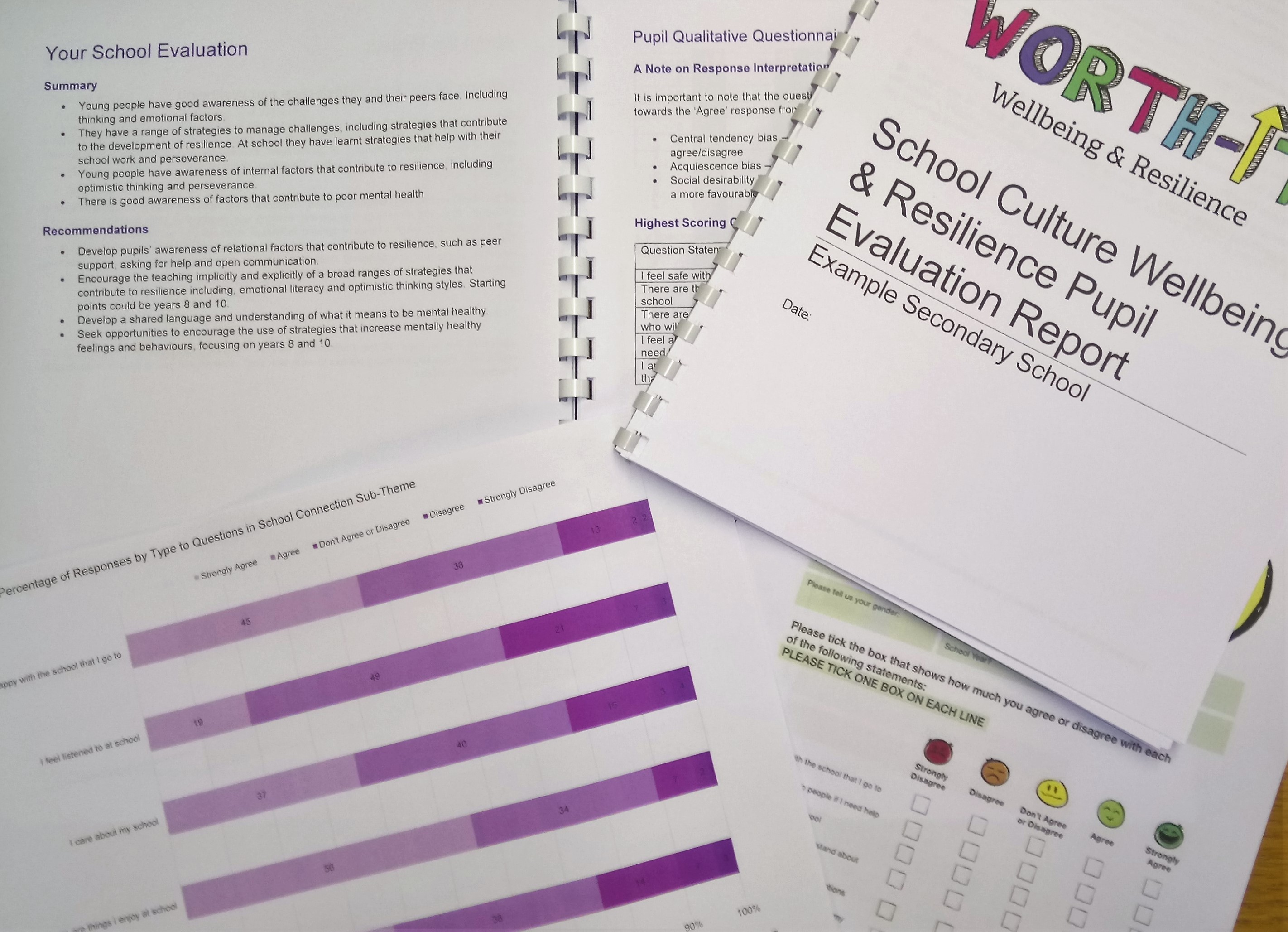
Through this structured approach, we equipped school leaders, teachers, and support staff with practical coaching tools and evidence-based interventions. The School Resilience Programme successfully nurtured a positive culture that supported all pupils and staff while helping schools meet Ofsted requirements for personal development and wellbeing.
Schools that participated included:
Primary Schools:
Secondary Schools:

"We now have a policy and action plan, we are having this as part of our whole school School Improvement Plan for 2017-18. The inclusion manager and I have implemented more strategies and activities with the children we work with. The whole programme was incredibly useful and supportive and gave us lots of fantastic ideas to take back to school and implement. " - Natasha Jackson Assistant Headteacher and SENDCO Rushey Mead Primary

The delivery commenced in December 2016 and the training and audit phase ran between January and March 2017. The training centred on a comprehensive multi-day coaching based training programme designed to upskill and build the confidence of schools own Resilience Champions. Following the initial training, schools implemented bespoke action plans over the following months.
The programme focused on practical application, encouraging staff to use positive psychology frameworks, tools and interventions to increase emotional literacy, resilience and positive mental health. This was provided through a toolkit of downloadable resources and training on how to use these resourses with pupils and as a stractic culture of wellbeing and resilience.
Many of the Reslience Champions then developed their own school-based wellbeing interventions ranging from 1:1, wellbeing curricula, small group targeted support for at risk cohorts, to whole-school mental health and wellbeing awareness campaigns. To ensure effectiveness, the project included rigorous baseline and follow-up pupil surveys to measure the tangible impact of these newly introduced positive education techniques.
The feedback from participating staff was overwhelmingly positive. Educators found that the training provided them with the practical skills and confidence needed to make a genuine difference.
A central theme from the feedback was the heightened awareness of mental health and resilience among staff. Participants reported that they felt very engaged with making their schools more resilient and deeply appreciated the focus on their own wellbeing.
One Kerry Hill, Headteacher of Eyres Monsel Primary noted,
"We value wellbeing—mental, physical and emotional health—and see it as a priority to be invested in and developed. As leaders, we are more confident to see wellbeing and resilience as something that is important and should be prioritised." - Kerry Hill Headteacher Eyres Monsell Primary
Schools across the Leicestershire and Leiceter City actively implemented the strategies they learned, leading to a much more strategic approach to pastoral care and school culture of wellbeing and resilience. One of the standout benefits of the programme was the in-depth understanding gained by staff on how resilience and wellbeing can be developed and sustained within their unique context. Schools received ongoing support from qualified coaches and positive education consultants, who guided leadership teams and resilience champions throughout the process. This tailored approach gave schools the capacity to develop their own approaches that met their unique needs and demographics, which supported successful implementation.
A further benefit was the provision of evidence-informed monitoring and evaluation reports—valuable tools schools could use for Ofsted inspections, governor updates, and quality mark applications. Continuous professional development (CPD) for staff ensured they were trained in effective, evidence-based strategies that could be used with students and colleagues alike.
Many schools reported a range of positive outcomes associated with improved wellbeing, including better attendance, increased engagement, reduced exclusions, improved attainment, and a more positive, productive school environment. By embedding these approaches, schools saw not only a shift in pupil behaviour and engagement but also greater staff confidence and morale, helping schools to thrive both academically and as supportive communities.
Key impacts on school practice include:
An example of strategic change to school wellbeing for one primary
We now have a policy and action plan as part of our whole school School Improvement Plan for 2017-18. The inclusion manager and I have implemented more strategies and activities with the children we work with. The whole programme was incredibly useful and supportive and gave us lots of fantastic ideas to take back to school and implement.
To measure the programme's success in building resilience in young lives, we collected follow-up data that demonstrated remarkable progress. By using a combination of student surveys and self-assessment tools, we observed a positive shift in how they engage with their own mental health and cope with challenges.
In secondary schools, the impact of these coaching interventions was particularly striking:
Primary schools also saw great improvements, with a +5.2% increase in pupils feeling listened to and a +4.6% increase in children feeling they are "good at bouncing back" from challenges.
As one teacher observed,
"Children are being encouraged to express emotions, and our main aim is for children to be able to understand and articulate their emotions and feelings."
The School Resilience project proves that empowering staff with targeted tools, consultancy and support can create a sustainable culture of wellbeing. However, the evaluation highlighted a crucial lesson: meaningful system change requires time. A brief delivery window is just the beginning. To truly embed a coaching culture, schools require sustained support, flexible learning pathways, and ongoing peer supervision over a longer period, such as an entire academic year.
By committing to comprehensive, long-term staff development, schools can confidently meet Ofsted requirements while giving young people the emotional tools they need to thrive.
Are you a MAT CEO, school leader, teacher, or support staff member ready to support pupil personal development, improve wellbeing and build resilience in your primary or secondary school?
Our Wellbeing Club is designed to provide you with ongoing support and resources. As a member, you’ll gain access to a comprehensive library of downloadable wellbeing tools, flexible online learning modules, and live school wellbeing consultancy sessions to support your school wellbeing journey.
Join our community, enhance your professional practice, and become a catalyst for positive change in your school.
This Example is currently being worked on. Be sure to check back soon!
Feel free to ask our team about this project for more information or return to our Examples page to learn about other great results our schools and settings are seeing.


